Showing posts with label power. Show all posts

Friday, February 8, 2013

The Gowanus Batcave

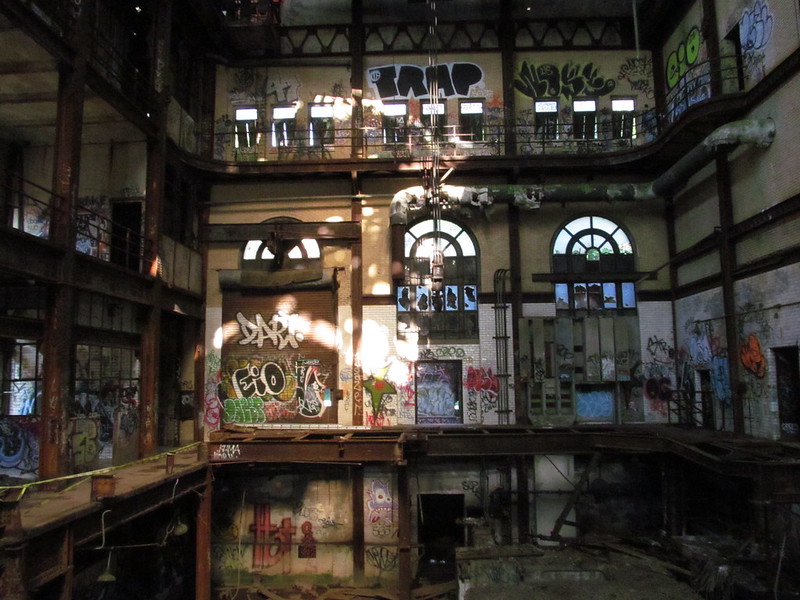
Oh, Gowanus Batcave, squatter's dream, sour taste of rusted metal lingering on my tongue!


Cleared of your messy remnants which have been littered, strewn across the ground, the workers have not yet peeled off your layers of dirt, grime, graffiti and history.


Looming in the distance, massive, visible from the bridge, inviting, beckoning, tempting.


     My first explore of the New Year, once my bronchitis finally cleared up, was the Gowanus Batcave. My partner and I stared at it from across the canal when we noticed a group of teenagers on the other side of the bridge, eyes fixed on the same prize. I rushed to them and slid a cautious leg over the silver spikes of the fence, telling them, "same idea." With a relieved laugh, they followed, and we wrapped ourselves around another fence lined with razor wire.


We spent a good while circling the building searching for an entry before finally giving in and constructing our own. Though we didn't know each other, we both had the same goal in mind. This is what led to our most sketchy entry point ever. We began stacking heavy concrete blocks (it took two people to lift one of those gray blocks), and using these blocks as a boost, climbed up a utility cable hanging out of the side of the second floor window.


After this, we found a rope and tied it around the windowsill (which was surprisingly sturdy for a building that had been abandoned for so long), knotted it, and climbed up and in.


The Batcave is also known by a less alluring (and more official) name: The Rapid Transit Central Power House. This property used to power trains. By its current state, being completely cleared out and under renovation, I couldn't discern its original purpose. Back in the day, its boilers burned coal to provide power to trains, however, when this technology became outdated the plant became abandoned.


During a period of time in the early 2000s, a slew of squatters claimed their residence in this space, and hypodermic needles had piled up until the squatters were kicked out in 2006. Previous intrusions by others revealed random scraps of litter which would inform visitors that this was a person's hideout; now it is being emptied, replaced with cinderblocks, steel pillars and electrical wires.


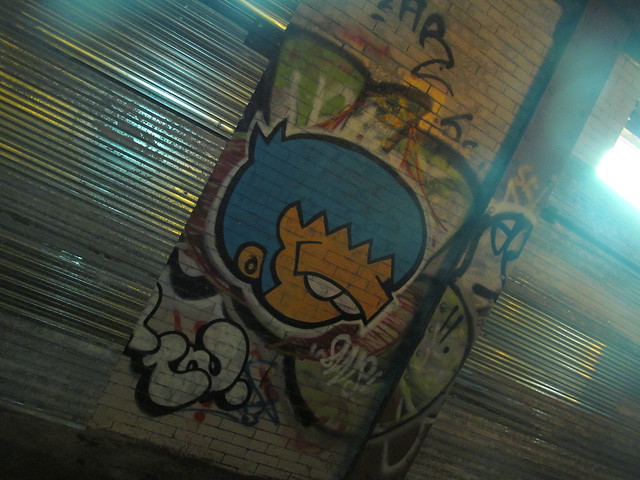


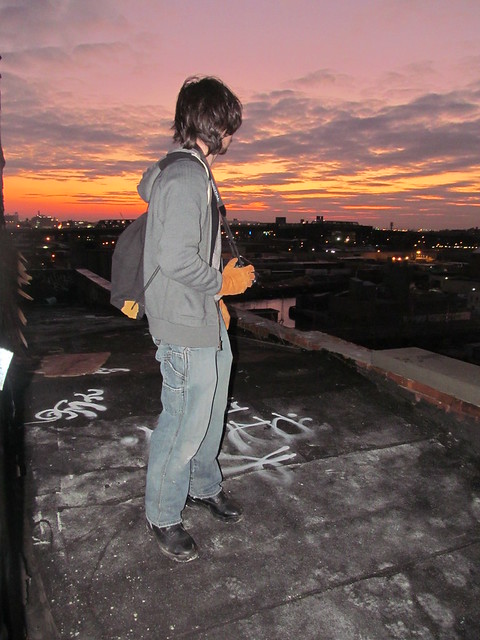


     Once people knew this site was open, hipsters and residents alike flocked to it instantly, and word spread overwhelmingly quickly. I must have seen at least five other people come along during our visit, but I have great doubts that our original entry method is still present. After enjoying a purple-grapefruit drenched sunset from the rooftop, my partner and I parted ways.

Monday, July 16, 2012

Glenwood Power Plant

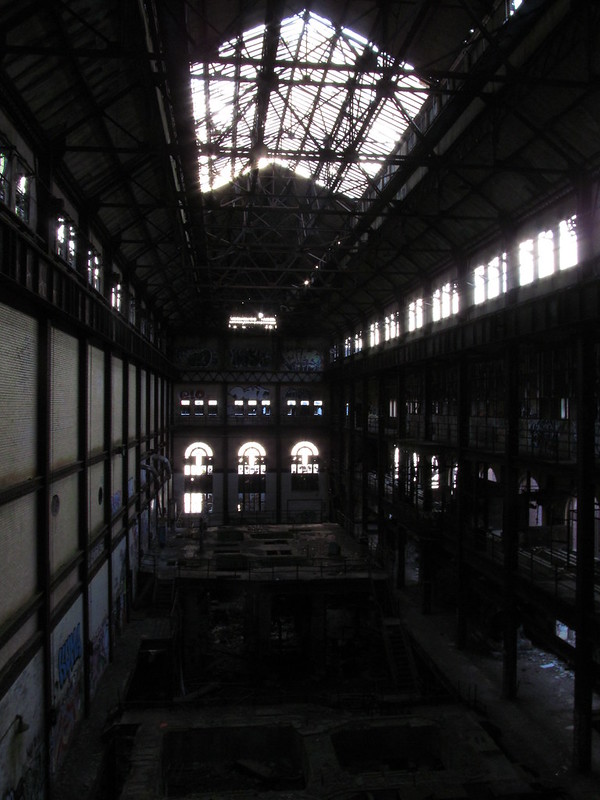
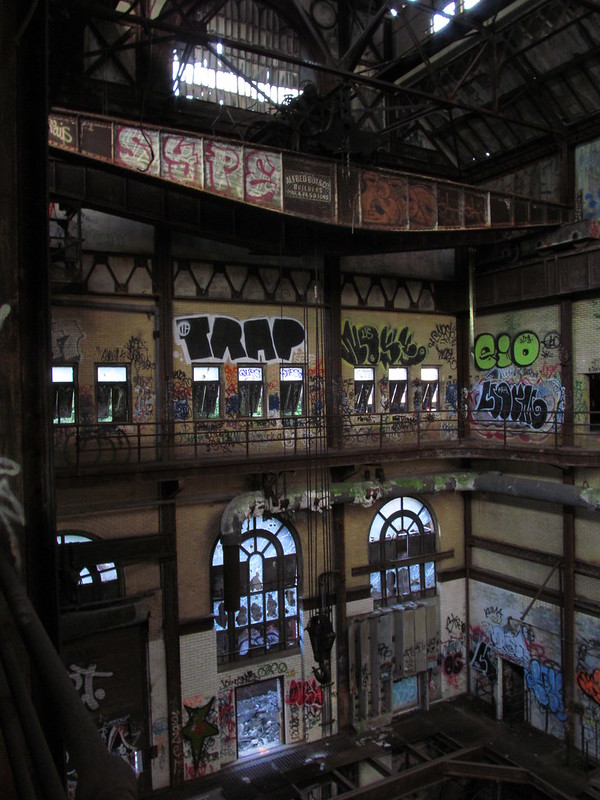
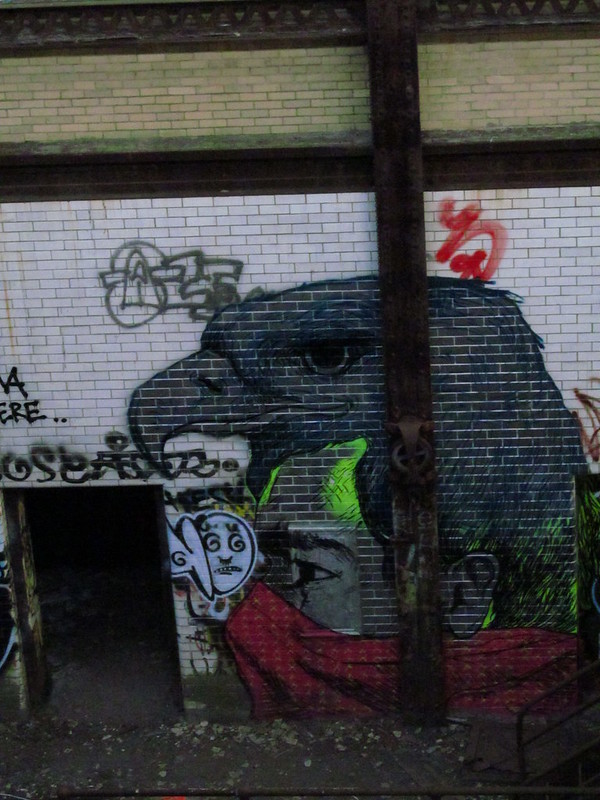
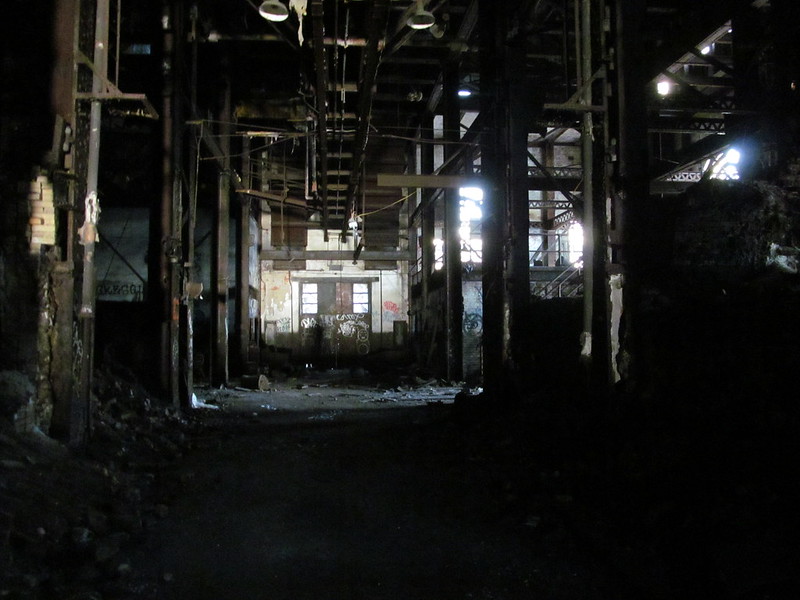
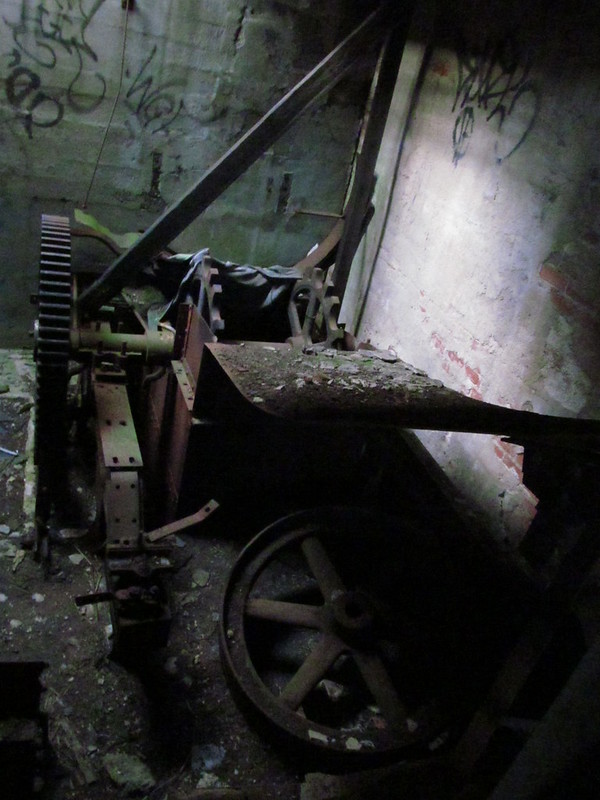
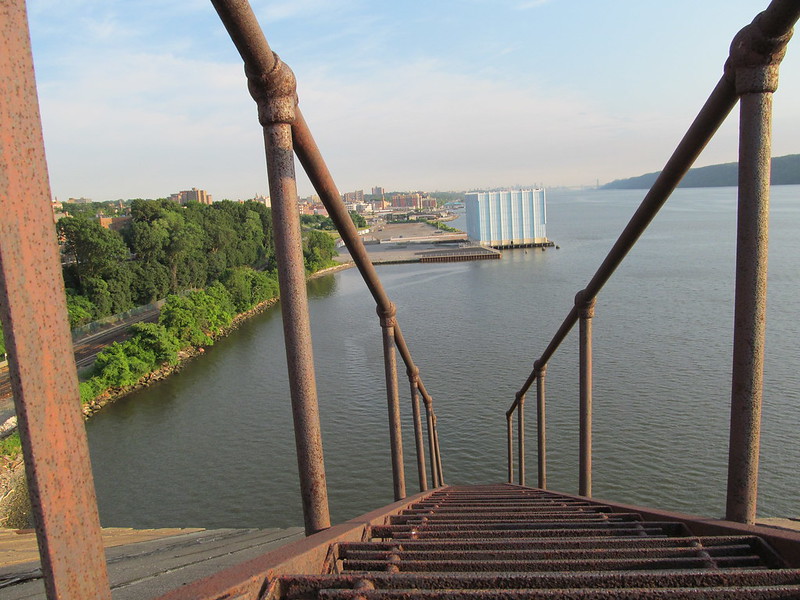
     Slightly above the Bronx, in Yonkers, there is an abandoned power plant, constructed over a hundred years ago, and abandoned for about fifty years. I don't go outside the City much for exploring. However, this was a place the had to be seen as soon as possible. I heard rumors about workers clearing out the place to convert the space into apartments or something of the sort. I decided that I needed to go see it before it was completely changed. Now, there are about three buildings in Glenwood Plant. If you ever see any photographs of the location, you're most likely seeing what's in this main building (which has a coal processor if you bother to go high enough):

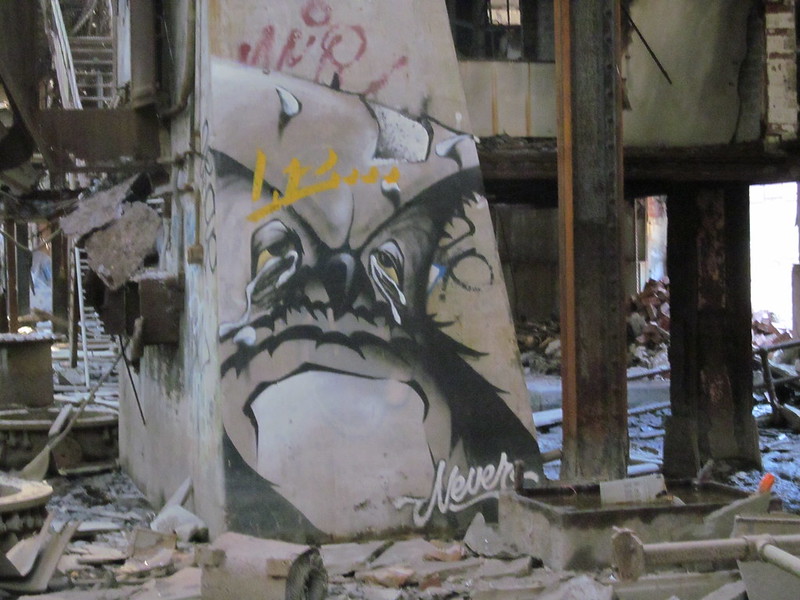
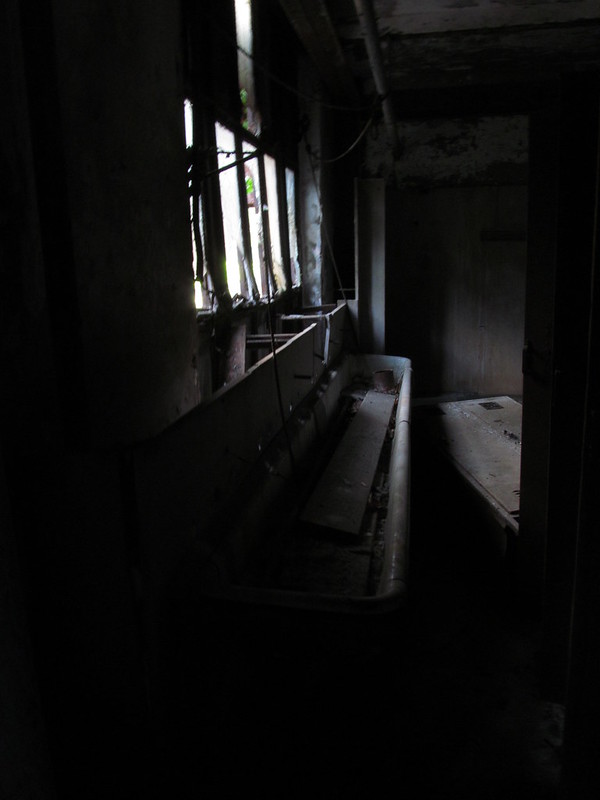
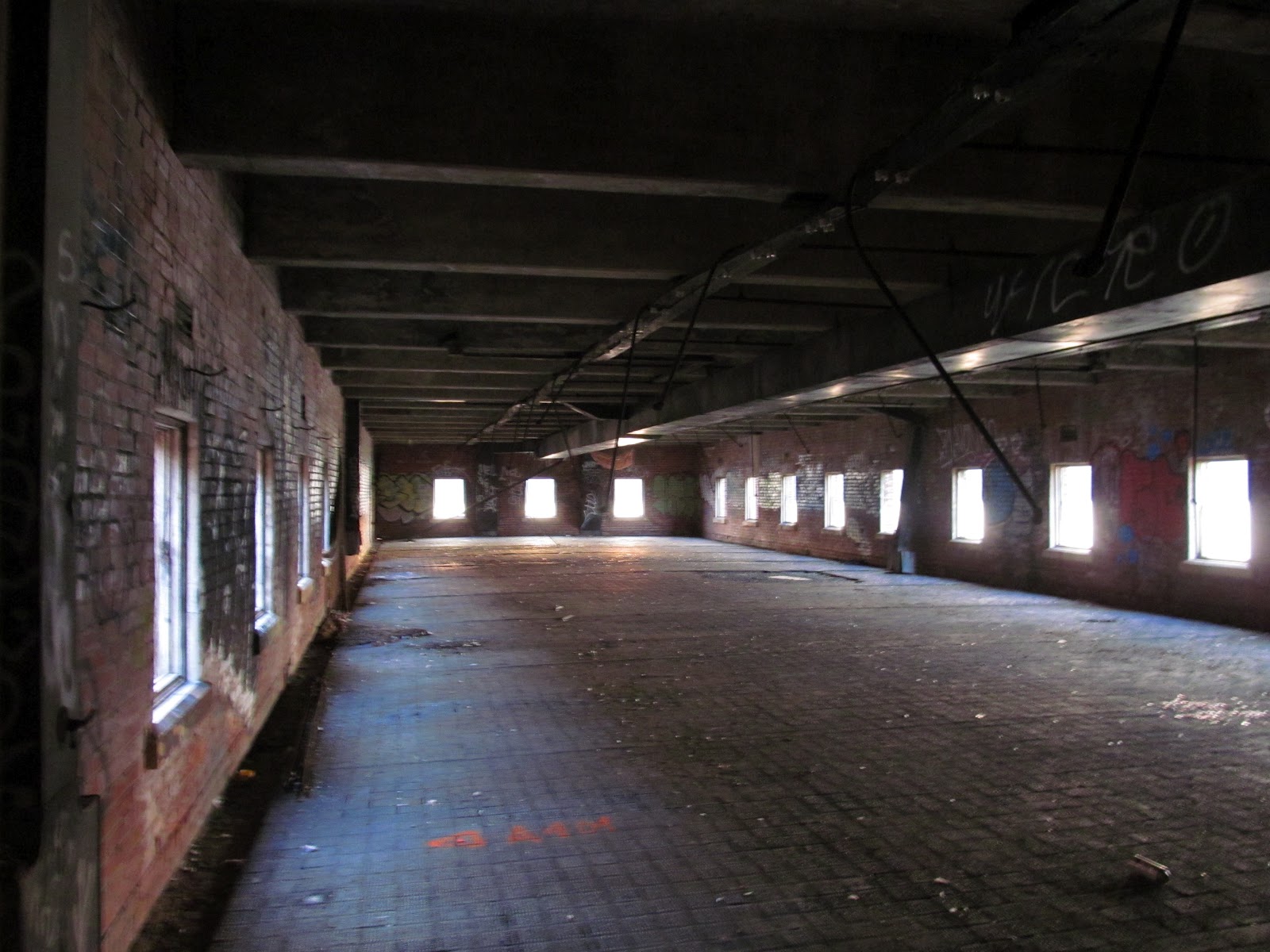
     However, this building connects to a secondary, shorter one, which (it seems like), is what's being converted.Most bits have been cleaned, some graffiti is being scraped out, and many of the stairs that were once busted out have been replaced with wooden steps.


Note the dumpster in the background, another sign of how the location is very different from what it was.


In the back, there is a third, smaller, tertiary building, which has an external ladder leading to the roof, and, it seems to have been untouched by workers thus far.

Despite having been somewhat cleaned, with overgrowth cleared and safety measures added, the place is still a tall death trap, with broken stairs, giant holes in the ground, and falling bits of debris.

The First Building


Secondary Building